


29 jan Exploring the psychological highs and lows of gambling behavior
Exploring the psychological highs and lows of gambling behavior
The Thrill of Winning
The excitement of gambling often stems from the prospect of winning. This thrill can activate the brain’s reward system, releasing dopamine, which creates a sense of euphoria. For many, the rush of a big win can lead to a heightened sense of self-esteem and optimism. This psychological high can be particularly intoxicating, as it reinforces the idea that luck can change with a single bet. Many players even indulge in the experience of visiting top online casinos, encouraging individuals to chase that elusive win.
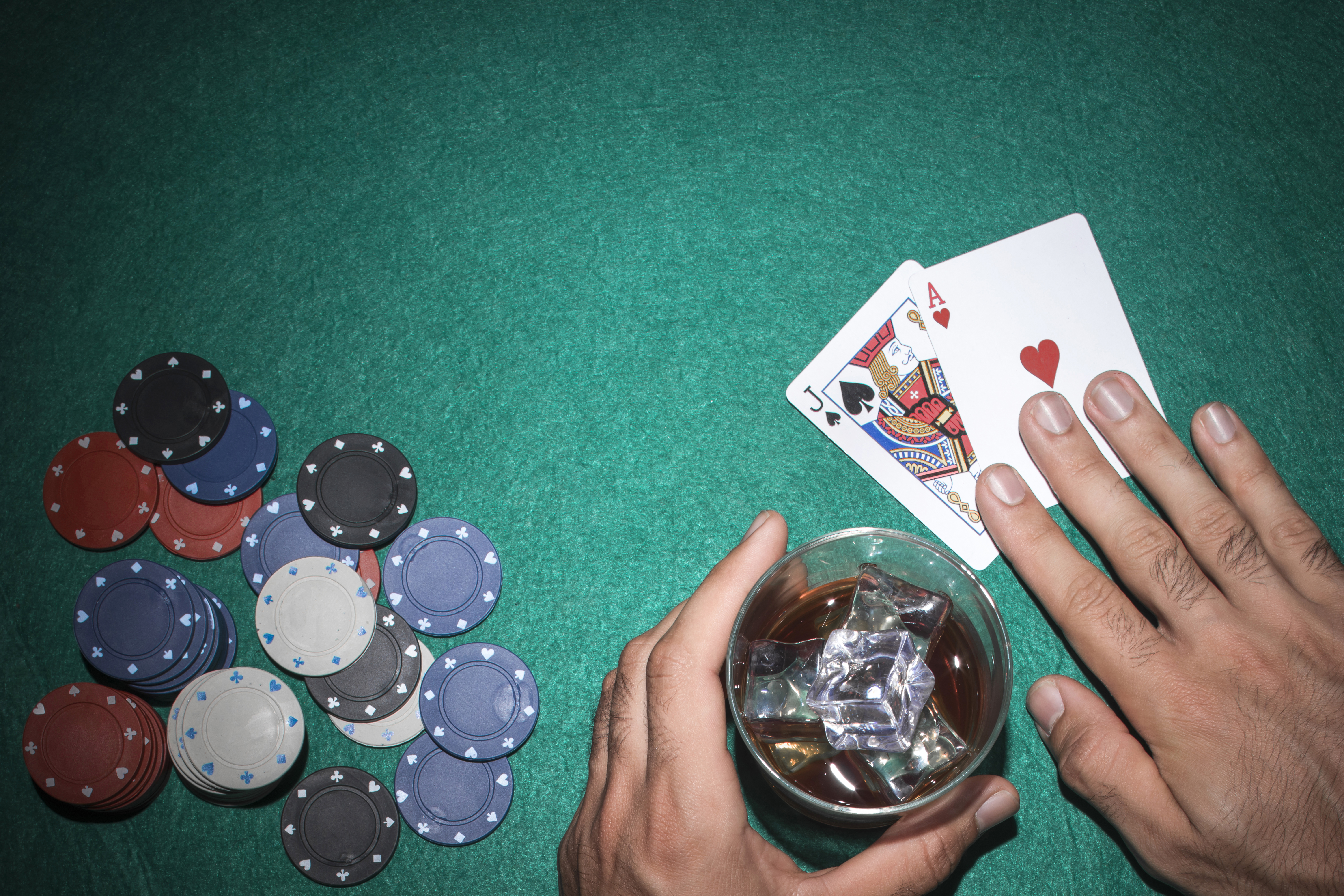
Moreover, this adrenaline rush often leads gamblers to overestimate their chances of winning. Cognitive biases, such as the illusion of control, can further amplify this effect. Gamblers may believe they can influence the outcome through skill or strategy, despite the inherent randomness of most games. This belief can perpetuate a cycle of gambling behavior, leading to repeated attempts to capture that initial high.
The Despair of Loss
On the flip side, losing can trigger profound psychological lows. The disappointment from a loss often leads to feelings of regret and shame, which can be exacerbated by social stigma surrounding gambling. Individuals may experience anxiety or depression as they grapple with their losses, leading to a destructive cycle of chasing losses in hopes of regaining their previous highs.
Additionally, the financial implications of gambling can lead to significant stress. The burden of debt can create a sense of hopelessness, making it difficult for individuals to break free from the cycle of gambling. This emotional turmoil can further push them into isolation, reducing their chances of seeking help or support.
The Role of Cognitive Dissonance
Cognitive dissonance plays a vital role in how gamblers reconcile their behavior. When a gambler experiences a loss, they might engage in rationalization, convincing themselves that their next bet will be a winner. This dissonance can lead to continued gambling, as the mind seeks to align its beliefs with its actions.
This psychological conflict can cause significant distress. The gambler might struggle between the desire to stop and the compulsion to continue. This internal struggle is often what leads to the development of gambling addiction, as the need to resolve cognitive dissonance can overshadow the negative consequences of their actions.
Cultural Perceptions of Gambling
Cultural attitudes towards gambling can greatly influence individual behavior. In some societies, gambling is viewed as a harmless pastime, while in others, it is associated with moral failure and social stigma. These perceptions can affect how individuals approach gambling and their willingness to seek help when needed.
For instance, in cultures where gambling is celebrated, individuals may feel more accepted and less inclined to view their behavior as problematic. Conversely, those in cultures that condemn gambling may experience guilt and shame, further complicating their relationship with gambling. This dichotomy can lead to differing rates of gambling addiction and treatment-seeking behavior across cultures.
Supporting Responsible Gambling
Understanding the psychological aspects of gambling behavior is crucial for promoting responsible gambling. By acknowledging the highs and lows associated with gambling, individuals can better navigate their experiences and make informed choices. Providing education and support can help mitigate the risks associated with gambling while encouraging a healthier relationship with gaming.
Our website is dedicated to raising awareness about these psychological dynamics and offering resources for individuals seeking help. We aim to create a safe environment where people can learn about responsible gambling practices and the importance of mental well-being in relation to gambling behavior.
Sorry, the comment form is closed at this time.